

Children & Young People We Support
At Manilla Support Services, we provide high-quality, therapeutic residential care and specialist support for children and young people who have experienced adversity, trauma, family breakdown, emotional distress, learning disabilities, autism, behavioural challenges, or complex needs.
Our home is more than a place to live it is a place where children can heal, build trusting relationships, develop confidence, discover their strengths, and prepare for a positive future. Everything we do is underpinned by our Trauma-Informed Risk-Behaviour Therapy (TIRBT) model, PACE approach and a genuinely child-centred approach.
We support children and young people with a wide range of needs. Rather than viewing challenging behaviour as something to control, we understand it as communication that deserves curiosity, compassion and therapeutic support.
Specialist Areas of Support
We welcome children and young people with diverse needs, providing tailored therapeutic support that promotes healing, growth and positive outcomes. Explore the key areas of need we specialise in below.

Social, Emotional & Mental Health
We support young people with Social, Emotional and Mental Health (SEMH) needs, including emotional and behavioural difficulties, anxiety, depression, low mood and emotional dysregulation. Our therapeutic approach helps children understand and manage their emotions, build resilience, and develop healthy coping strategies in a safe, nurturing environment.
Autism Spectrum & ADHD
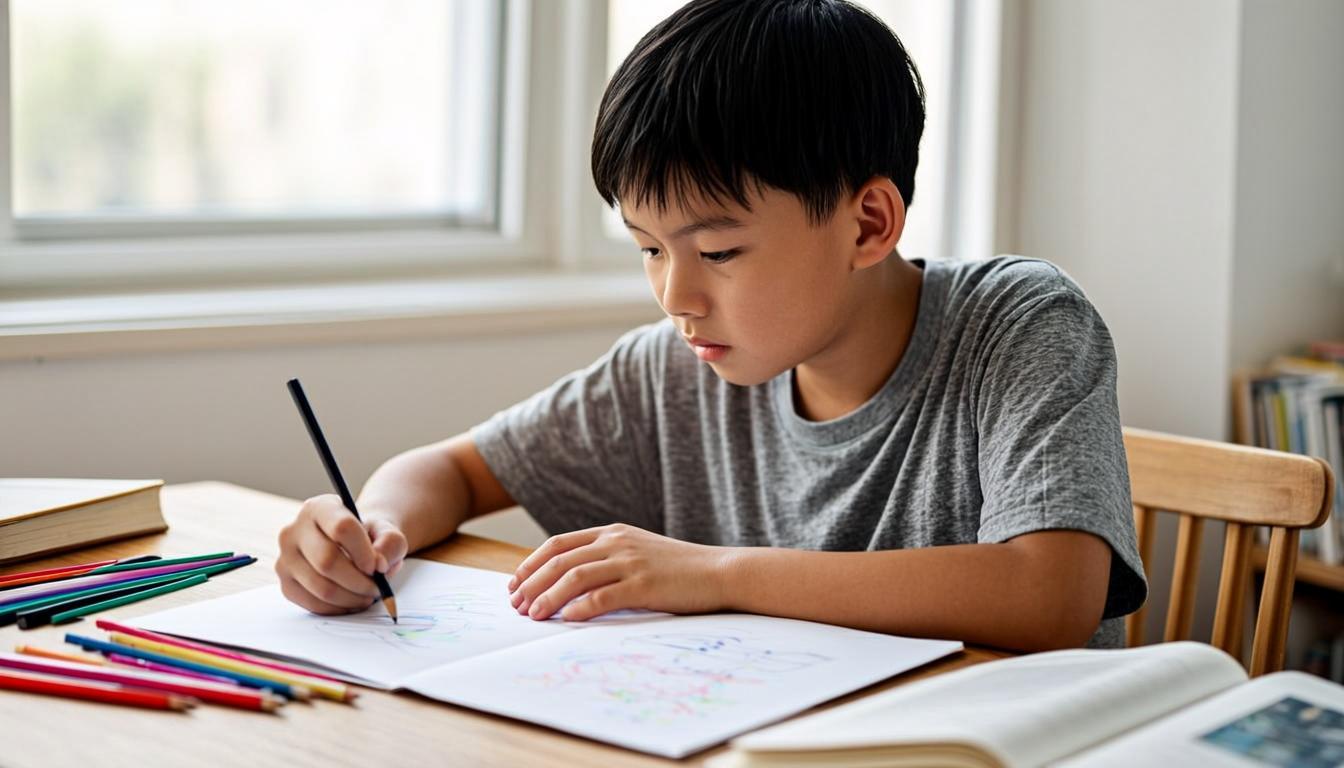
We provide specialist support for children and young people with Autism Spectrum Condition (ASC), whether diagnosed or presenting autistic traits, and Attention Deficit Hyperactivity Disorder (ADHD). Our staff are trained to understand sensory needs, communication differences, and the importance of routine and predictability in helping neurodiverse young people thrive.
Trauma & Attachment Difficulties
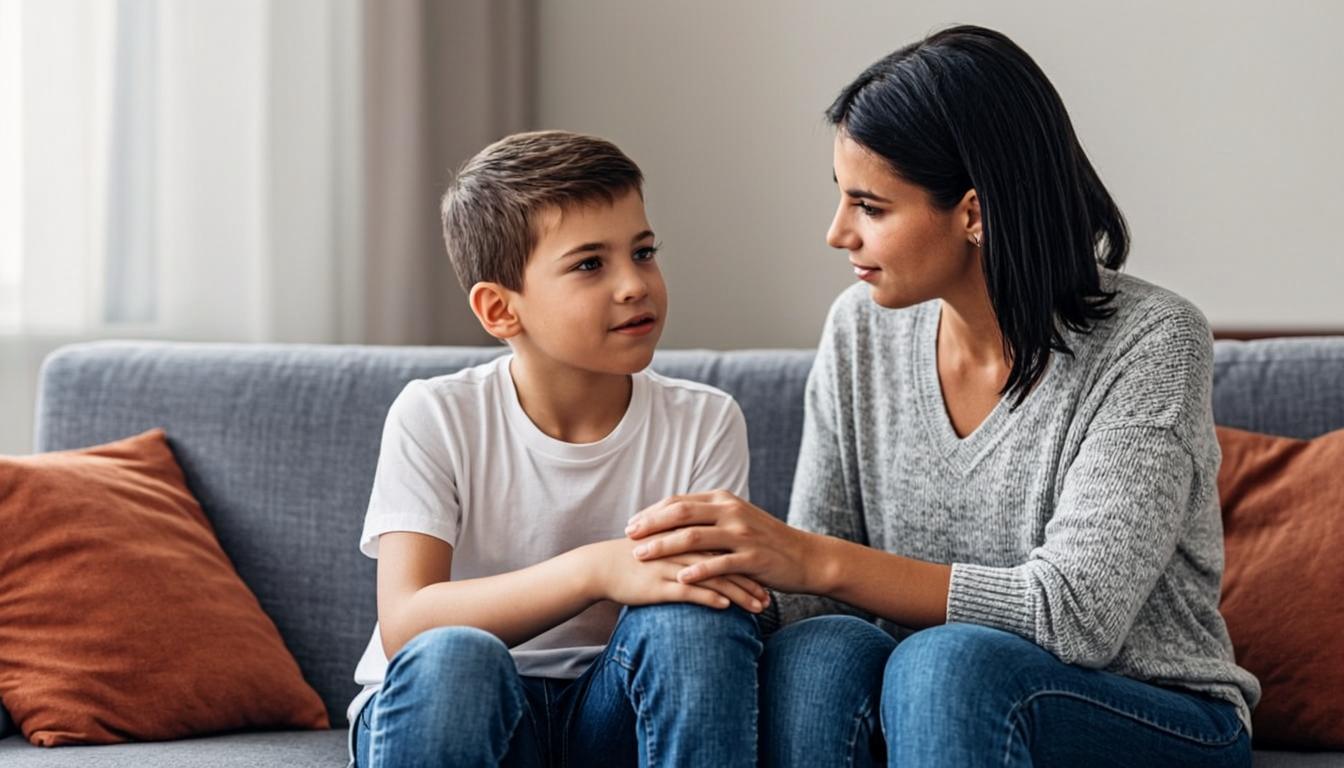
Many children we support have experienced attachment difficulties, developmental trauma, abuse, neglect, or Adverse Childhood Experiences (ACEs). Through our TIRBT framework, we help children feel emotionally safe, build trusting relationships, and process their experiences at a pace that respects their individual journey toward healing and recovery.

Independence & Life Skills
We support children requiring help to develop confidence, resilience, emotional regulation and independence. Through structured life-skills programmes including cooking, budgeting, managing appointments, public transport and employment readiness we build confidence gradually, ensuring every young person feels prepared for adulthood and a successful transition into independent living.
Other Areas of Need We Support
In addition to our specialist areas above, we also provide support for children and young people with the following needs:
Speech, Language & Communication
We support children with speech, language and communication needs, including social interaction and communication difficulties. Our staff use visual supports, clear communication strategies, and work collaboratively with speech and language therapists.
Behaviours That Challenge
We support children displaying behaviours that challenge, where these behaviours are understood as communication of unmet emotional needs. Our Positive Behaviour Support approach focuses on understanding triggers and teaching healthier coping strategies.
Harmful Sexual Behaviour
We support young people presenting Harmful Sexual Behaviour (HSB), where appropriate risk assessments and specialist multi-agency support are in place. Our approach is therapeutic, restorative and safeguarding-focused.
Complex Medical Needs
We support children with complex medical needs, including conditions such as epilepsy, diabetes and other long-term health conditions. We work closely with health professionals to ensure all medical needs are met.
Placement Breakdown & Therapeutic Care
We support children at risk of placement breakdown or those requiring therapeutic residential care. Our team is experienced in stabilising placements, rebuilding trust, and helping young people who have experienced multiple placement moves find consistency, safety and a genuine sense of belonging. We work collaboratively with local authorities, schools, health professionals, CAMHS, therapists, families and community organisations to provide coordinated, therapeutic support that promotes emotional wellbeing, educational achievement, healthy relationships, life skills and successful transitions into adulthood.
Personalised Support for Every Child
Every child who comes to Manilla Support Services is unique, with their own strengths, experiences, aspirations and support needs. We develop personalised care plans in partnership with each child, their family, social worker and other professionals, ensuring that support is tailored to help them achieve the best possible outcomes.
Working collaboratively with local authorities, schools, health professionals, CAMHS, therapists, families and community organisations, we provide coordinated, therapeutic support that promotes emotional wellbeing, educational achievement, healthy relationships, life skills and successful transitions into adulthood.
At Manilla Support Services, we do more than provide a place to live we create a safe, nurturing and therapeutic home where children and young people feel valued, understood and empowered to heal, grow and thrive.